How to Make Trading Simple and Effective Using Trendlines and Futures
· based on the channel Tori Trades
Key takeaways
- Trading does not require advanced degrees or complex math skills.
- Trendlines are key tools to identify market direction and entry points.
- Futures markets offer opportunities for day trading and swing trading.
- Effective trade tracking and risk management are essential for success.
- Real examples help illustrate step-by-step trade execution and exit.
Trading can be simple and accessible to anyone willing to learn basic concepts like trendlines and futures trading. Contrary to popular belief, you don't need an economics degree, finance background, or advanced math skills to be successful. By mastering a straightforward system based on trendlines and disciplined trade management, traders can identify profitable opportunities and control risk effectively. For those interested, signing up for the Tori Trades waitlist provides access to valuable resources and ongoing education.
Understanding Trading and Its Simplicity
Trading involves buying and selling financial instruments such as futures contracts with the goal of making a profit from price movements. The misconception that trading is complex often discourages beginners. However, a simple approach focusing on market trends and clear entry and exit rules can dramatically improve results.
Key components include:
- Identifying the trend direction using trendlines drawn on charts.
- Entering trades when price confirms bounce or breakout signals.
- Setting stop losses just beyond trendline support or resistance to limit risk.
- Exiting trades based on pre-defined profit targets or trend reversals.
This straightforward method removes guesswork and provides a repeatable process suitable for futures, forex, and other markets.
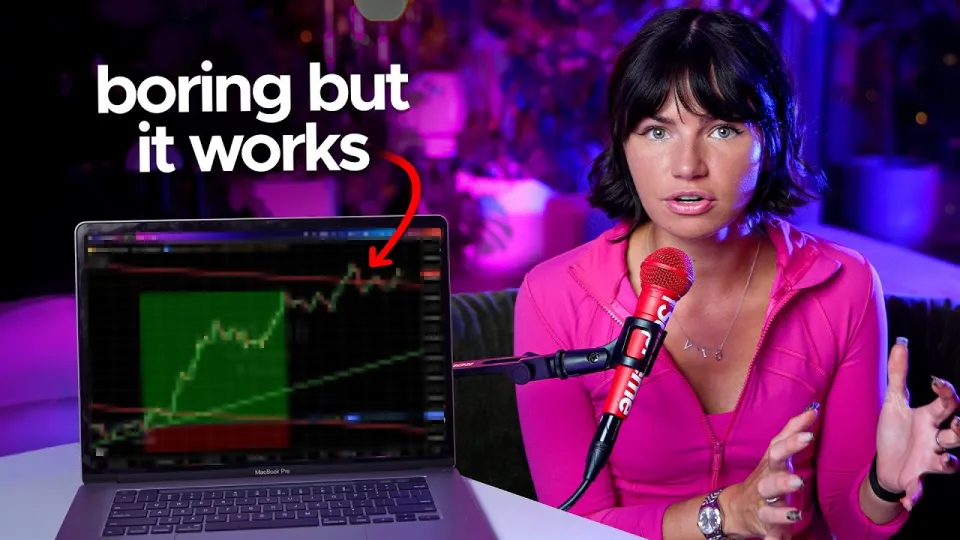
Video: Unfortunately, trading really is this simple
Using Trendlines as Your Primary Trading Tool
Trendlines connect significant lows in an uptrend or highs in a downtrend, visually representing the market’s direction. They act as dynamic support and resistance levels.
Steps to use trendlines effectively:
- Draw a line connecting at least two swing lows in an uptrend or swing highs in a downtrend.
- Confirm the trend by observing price respecting the trendline multiple times.
- Look for price to bounce off the trendline as an entry signal.
- Place a stop loss slightly below (for longs) or above (for shorts) the trendline to manage risk.
This approach aligns trades with the market’s momentum, improving the probability of success. However, be aware of "the bend"—the point where the trendline loses strength and the trend reverses.
Trading Futures for Day and Swing Trading
Futures markets provide high liquidity and leverage, making them popular among day traders and swing traders. They allow trading on commodities, indices, and currencies with relatively low capital.
Advantages of futures trading:
- Access to various asset classes including gold, oil, and stock indices.
- Ability to go long or short easily.
- Defined contract sizes and expiration dates.
- High volatility that can create rapid profit opportunities.
However, volatility can be extreme. For example, gold prices have been known to spike or drop dramatically within seconds. Traders must be ready to manage trades actively and use stop losses to avoid large losses.
Managing Risk and Tracking Trades
Successful trading requires strict risk management and detailed trade tracking. Using platforms like TradeZella helps monitor performance and maintain discipline.
Best practices include:
- Always using stop losses to protect capital.
- Limiting risk per trade to a small percentage of the trading account.
- Keeping a trading journal to analyze wins, losses, and mistakes.
- Reviewing trades regularly to refine strategies.
This systematic approach minimizes emotional decision-making and supports long-term profitability.
Common Questions and Challenges in Trading
Many traders wonder about stop loss placement, adapting to sudden volatility, and differences between trading futures and stocks.
- Stop losses are typically placed just beyond the trendline bounce point, but the exact distance depends on market volatility.
- Sudden market moves require quick reaction and sometimes exiting trades early to protect profits.
- Futures trading differs from stocks in leverage, volatility, and market behavior. Unlike stocks, futures are more influenced by algorithms but can offer clearer trend signals.
Understanding these nuances helps traders avoid common pitfalls and improve execution.
Useful Links
- Join the waitlist for Tori Trades resources: https://go.toritradez.com/waitlist-1009
- Track your trades with TradeZella: https://www.tradezella.com/?via=victoria
- Broker used by Tori Trades: https://www.tradestation.com/promo/toritrades/
- Follow Tori Trades on Instagram: https://www.instagram.com/tori.trades.futures/
Conclusion
Trading can be simplified by focusing on core concepts like trendlines and disciplined futures trading. This approach does not require advanced education but demands practice, risk management, and continuous learning. The system shared by the channel Tori Trades provides a practical roadmap from identifying trades to managing exits, suitable for beginners and experienced traders alike. For anyone serious about improving their trading, joining the Tori Trades waitlist is a recommended step to access expert guidance and community support.
Questions & answers
Do I need advanced math or financial degrees to start trading successfully?
No, trading can be simple and effective without advanced math skills or finance degrees. Basic concepts like trendlines and disciplined trade management provide a solid foundation.
Where should I place my stop loss when trading with trendlines?
Stop losses are generally placed just beyond the trendline bounce point to protect against adverse moves. The exact placement depends on market volatility and personal risk tolerance.
How does futures trading differ from stock trading?
Futures trading involves contracts with leverage, higher volatility, and the ability to go long or short easily. Stocks tend to have less leverage and different market dynamics influenced by algorithms.
How can I manage sudden volatility in markets like gold?
Active trade management and quick reaction to price spikes are essential. Using stop losses and exiting trades promptly when the market moves unpredictably helps limit losses.
Source: Unfortunately, trading really is this simple · Markdown version